Asia’s philanthropic landscape is undergoing a profound transformation. Driven by generational shifts, new funding structures, and a growing ecosystem mindset, donors and organisations across the region are reimagining how impact is created and sustained.
This blog summarises the key themes from my presentation: new paradigms, next-gen impact, and collaborative innovations, and why they matter for purpose-driven communities in Singapore and beyond.
1. New Paradigms: The Rise of an Ecosystem Approach
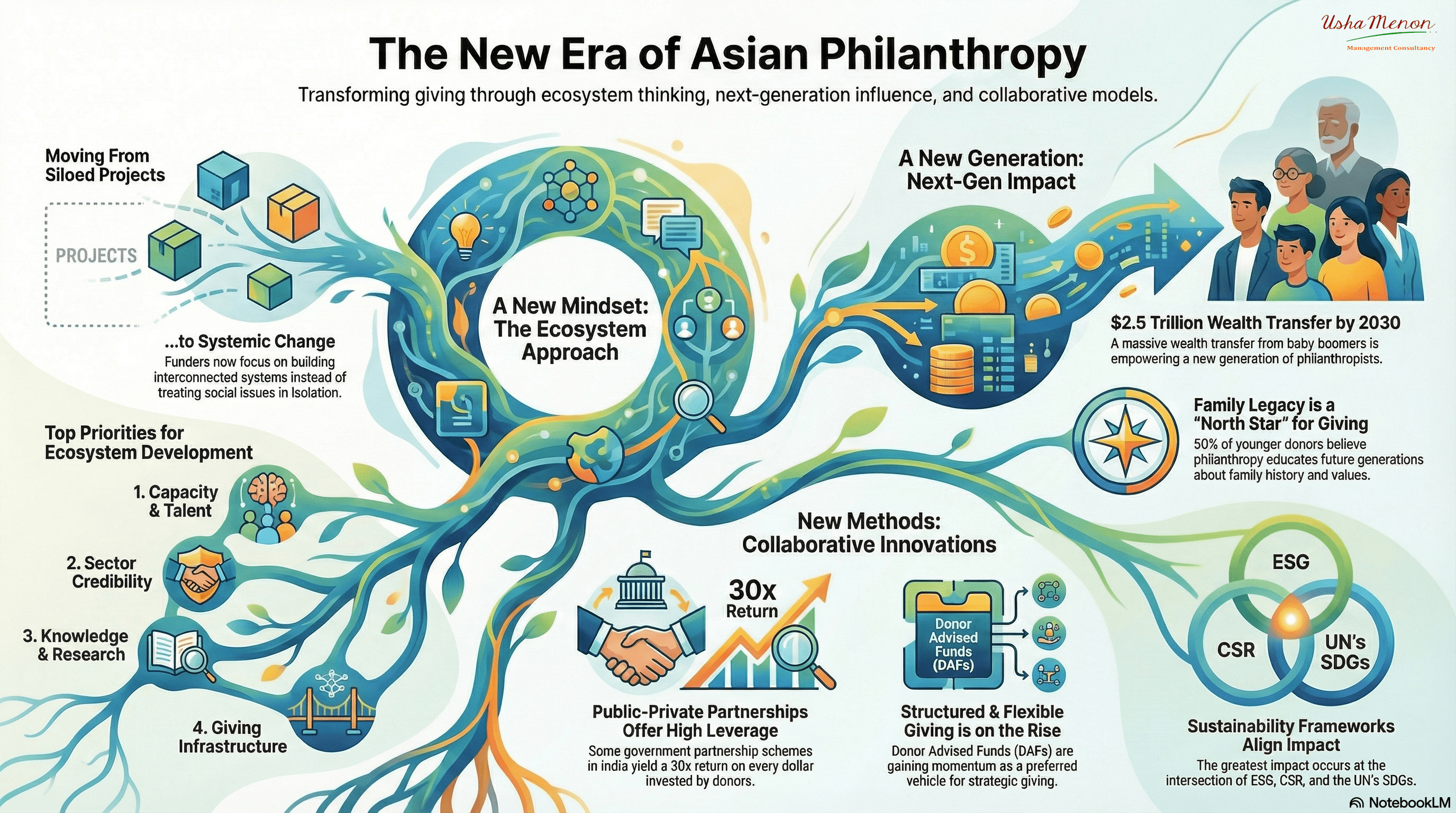
One of the most striking shifts in Asian philanthropy is the move away from fragmented, project-by-project interventions toward ecosystem thinking. Rather than treating social issues as isolated problems to be solved in silos, more funders are recognising the importance of interconnected systems, that include, policy frameworks, community actors, private-sector enablers, and nonprofits (including early-stage entities) all working in alignment.
The ecosystem approach means working across sectors, building platforms, enabling long-term connectivity and learning. The focus is not solely on service delivery but investing in capabilities and infrastructure too. At a recent discussion with global donors and sector stakeholders hosted by Asia Philanthropy Circle, the following areas for development in the ecosystem have been ranked as most critical, in that order:
i. Capacity and talent in the social sector
ii. Credibility of the philanthropy sector
iii. Knowledge and research for evidence-building
iv. Infrastructures for collaborative giving
A notable example is The Majurity Trust, a philanthropic organisation that seeks to work with donors, social impact partners and communities to build a thriving Singapore for all. Such philanthropic efforts are increasingly coordinated across sectors to strengthen long-term outcomes rather than fund standalone services.
2. Next-Gen Impact: Family Legacy as a North Star
We are in the early stages of the largest intergenerational wealth transfer in history as wealthy baby boomers pass on their wealth to the next generation. In Asia alone, a Knight Frank report estimates that some 70,000 high-net-worth (HNW) individuals are set to transfer US$2.5 trillion of generational wealth by 2030.
Families with next-gen philanthropists seek to pay homage to the generosity of their forebears. This focus may set Asian next-generation philanthropists apart from their global counterparts, who do not always prioritize family legacy in their giving. Interestingly, a CAPS study has found that:
• 50% of 2nd generation or younger believe philanthropy helps educate successive generations about family history & legacy.
• 66% of 2nd generation or under 50 felt that philanthropy strengthens a sense of mission & purpose compared to 50% from the older generation.
These statistics reveal an emerging pattern – Philanthropy is becoming a conduit for intergenerational leadership, value transmission, and family unity.
An example is the Good Soil Foundation, initiated by Sky9 Capital, a venture capital firm dedicated to supporting disruptive technologies and outstanding innovators around the world.
3. Collaborative Innovations: The Power of Public-Private Partnerships
The future of philanthropy in Asia is collaborative. Nowhere is this clearer than in the rise of Public-Private Partnerships (PPPs) and innovative financing structures. This includes the adoption of innovative capital stacking strategies, which blends grants, CSR funds, individual giving, and social investments to build sustainability.
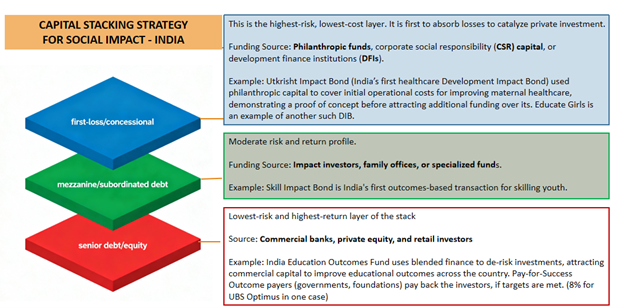
India has implemented state and central government schemes whereby the project management and community facilitation costs are invested by donors and the programme costs are invested by the government. Such government partnership schemes can offer high leverage in terms of the amount invested by the donors and the return on it in terms of the programme amount invested by the government (a ratio of 1:30 where every Rupee invested yields a return of Rs 30).
Sustainability in Philanthropy
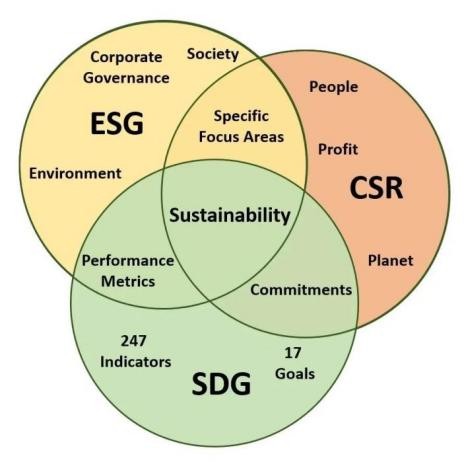
Beyond financing structures, another collaborative innovation at the intersect of PPPs is sustainability. The new economy is no longer just numbers, its impact, and the greatest impact emerges where all three areas intersect.
i. ESG: Investor-driven. Focused on measurable performance in Environment, Social, and Governance. Accountability and transparency are its core.
ii. CSR: Company-driven. Focused on giving back to communities, society, and the planet. Purpose and responsibility are at its heart.
iii. SDGs: Global-driven. Guided by the UN’s 17 Sustainable Development Goals and 247 indicators. Alignment with global priorities ensures systemic progress.
Nature-based solutions, such as low-emission agriculture, forest stewardship, and coastal ecosystem restoration, were highlighted as prime candidates for scaled ‘4P’ collaboration — across the public, private, people, and philanthropy sectors.
Decarbonising Rice is a project which integrates over 20 years of R&D and collaborative partnerships to reduce methane emissions, conserve water, and enhance rice yields across Laos, Indonesia, and India. It is part of the Philanthropy Asia Alliance’s portfolio of high-impact, Asia-focused projects. These initiatives demonstrate how partnerships among scientists, businesses, governments, and local communities can deliver scalable solutions to global challenges.
Tripartite Partnerships in the Insurance Industry
The Global Asia Insurance Partnership (GAIP) is a tripartite partnership between the insurance industry, regulators and policymakers, and academia to deliver solutions for the region's protection gap.
GAIP’s Collaboration Model:
• Monetary Authority of Singapore (MAS): provides the regulatory foresight and a supportive policy environment for innovation.
• Global and regional insurers: provide philanthropic capital, critical expertise in risk management, product development and market distribution.
• Academia: National Technological University (NTU) based in Singapore, contribute scientific research and advanced analytical capabilities, helping to quantify risks and develop new risk models.
4. Growth of Donor Advised Funds (DAFs)
Another trend disrupting traditional philanthropy is the rise of Donor Advised Funds (DAFs) in Asia. While more common in Western markets, DAFs are gaining momentum among Asian donors seeking a structured giving vehicle, tax efficiency, professional management, and flexibility to support diverse causes over time.
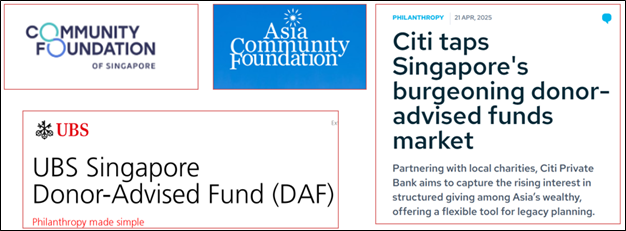
The growth of DAFs in Singapore and Asia mirrors trends in the US and UK, with DAF grantmaking increasing up to 21% over the prior year. Singapore, as a regional philanthropic and wealth management hub, is well-positioned for similar growth. With over 1,400 family offices in Singapore and incentives including a 250% tax deduction that can be carried forward for up to five years, combined with a stringent code of governance for charities, Singapore offers a conducive environment for strategic philanthropy.
The way ahead
As Asian philanthropy enters a more decisive phase, nonprofit and social purpose organisations who thrive will be those who embrace these shifts with intentionality and courage. The move toward ecosystem approaches, next-gen leadership, collaborative financing models, and structured giving vehicles like DAFs are already reshaping how resources, relationships, and results come together across the region.
This moment calls for leadership that is prepared to move beyond organisational silos toward platforms and partnerships that unlock collective intelligence and capacity. Boards and management will need to invest in talent, data, and governance so that their organisations are trusted partners in a wider ecosystem, credible enough for governments, attractive enough for businesses, and agile enough for innovative philanthropists. It is a perfect time for nonprofits to speak the language of intergenerational purpose, and design engagements that span decades rather than grant cycles. Social purpose organisations that structure its partnerships, aligned with ESG and sustainability agendas, and demonstrate measurable outcomes will not only attract capital, but also help set new norms for transparency and impact in Asia.
In this context, success for nonprofits will depend less on competing for donations and more on contributing distinct value within a shared architecture for change. By stepping into roles as ecosystem builders, knowledge partners, and co-investors in solutions, Asia’s social purpose organisations can help shape a philanthropic landscape that is bolder, more collaborative, and truly fit for the complex future ahead.